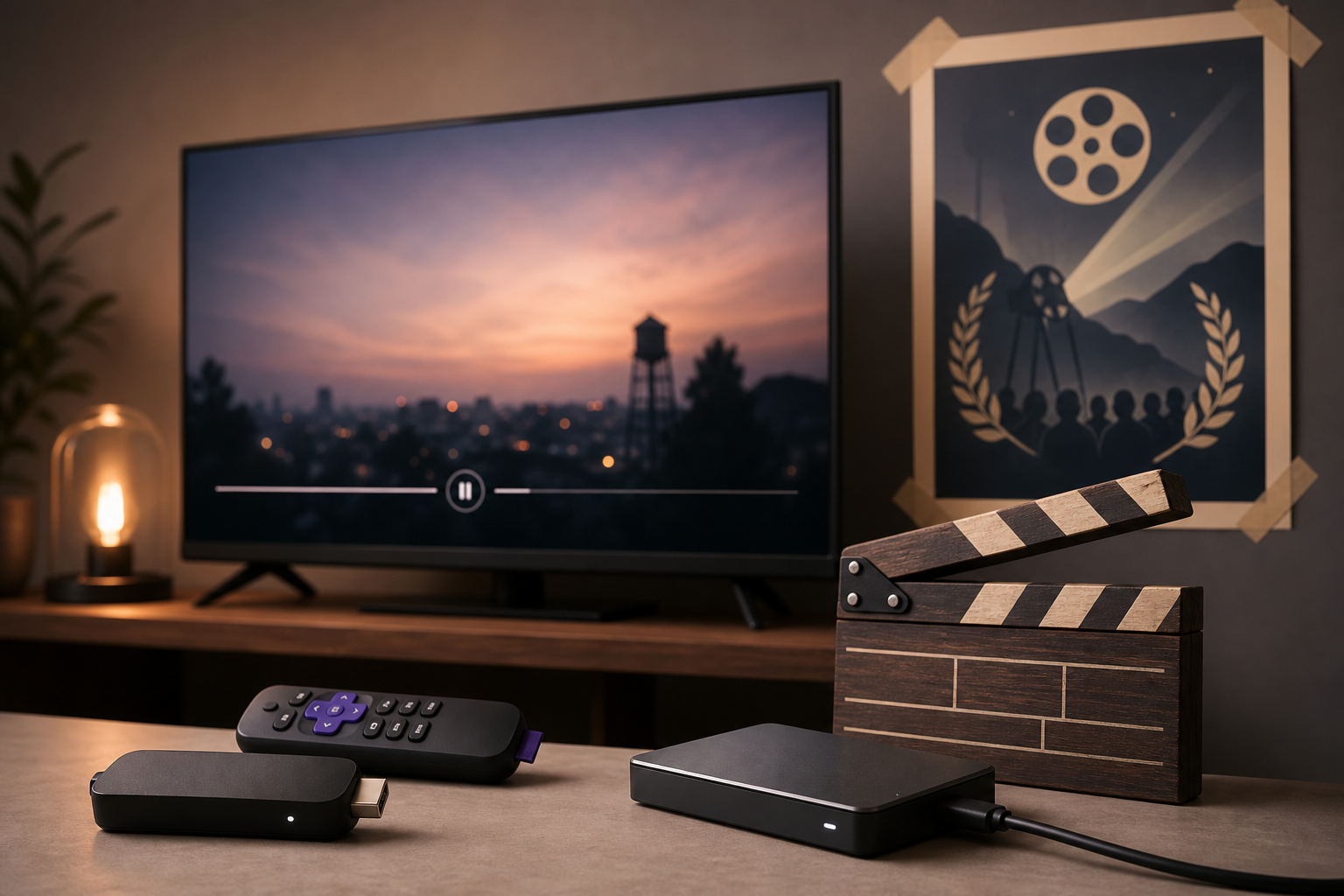
Landing on Netflix feels like the finish line for many indie filmmakers. It is seductive and easy to point at. The problem is that it is the wrong finish line for most projects. Chasing a Netflix deal usually eats months of time, a chunk of your rights, and a marketing budget you do not have. Meanwhile your audience, your data, and your immediate revenue stay dormant.
Why Netflix streaming is the wrong default goal
Netflix is a major platform with global reach. That is not the same as the right distribution strategy for an indie film or music video. Consider what most creators give up when they chase Netflix:
- Long timelines - negotiations, legal, and rights windows can stretch for months to years before a film reaches viewers.
- Limited control - exclusivity clauses and lack of audience data mean you cannot market directly or build a fanbase easily.
- High cost for visibility - without a sizable promotional budget, your title risks getting buried among thousands of releases.
- Low immediate earnings - Netflix deals often pay flat licensing fees or minimum guarantees, which can be useful but rarely replace ongoing revenue for smaller projects.
Those tradeoffs are fine if you have a large film with a clear path to a big licensing fee. They are not ideal if your goal is to build an audience, test marketing, or fund your next project on a DIY budget.
A practical distribution playbook that actually builds reach
Instead of aiming only at Netflix, use a layered strategy that puts your work in front of viewers, earns money sooner, and collects the audience data you need to grow. Below is a step-by-step playbook you can execute on a shoestring.
-
Set clear goals and metrics - 0 to 1 week
Decide what success looks like. Examples: 5,000 unique viewers in 6 months, $1,500 gross from direct sales, or 50 festival acceptances. Track views, email signups, and revenue. These are the numbers that shape distribution choices.
-
Prepare a lean release package - 1 to 2 weeks
Create clean masters, closed captions, poster art sized for Roku and TV, a one-paragraph hook, cast and crew credits, and a 15 to 30 second trailer optimized for mobile and CTV screens. Good metadata and artwork are non-negotiable for discoverability.
-
Apply for FAST channel placement - 4 to 12 weeks
FAST channels are linear streams inside CTV platforms. They replicate the channel-surfing experience and can deliver steady, passive reach for niche content. Submission timelines vary, but expect 4 to 12 weeks from submission to live slot. Benefits: continuous exposure, low audience acquisition cost, and the chance to be discovered by viewers who do not search actively.
-
Launch on Roku and connected TV - 2 to 8 weeks
Optimize titles for TV: short descriptive titles, strong hero images, and prominent closed captions. Make sure thumbnails read well at a distance and that episode or film descriptions have keywords your audience would use. Expect 2 to 8 weeks for app storefront updates and certification depending on the platform.
-
Coordinate festival streaming and hybrid screenings - variable with festival schedules
Festival streaming packages let you reach engaged audiences and reviewers. Use festival runs to generate social proof and press clippings. Time a festival premiere to precede a FAST or on-demand release so you can point audiences to where they can watch or pay to view.
-
Run a short-term Pay Per View release - launch window 1 to 4 weeks
Put your film or select features behind a PPV paywall for a limited run. Price according to length and niche - typical ranges are $2.99 to $9.99. Promote the window with email blasts, festival partners, and targeted social ads. Expect upfront revenue that helps fund promotion and subsequent platform fees.
-
Enable grassroots monetization - immediate
Offer easy direct payment options like PayPal payouts and Bitcoin Lightning. PayPal is familiar to most viewers and quick to set up. Bitcoin Lightning accepts microtransactions with fast settlement and lower fees for small payments. Display clear purchase flows and explain payment options simply. The goal is low friction so curious viewers convert.
-
Iterate with data and reinvest - ongoing
Use viewership data from FAST channels and on-demand platforms to find where viewers come from and what assets perform. Double down on the cheapest acquisition channels and reinvest small amounts of revenue into targeted promotion.
Concrete timelines and expected outcomes
- 0 to 2 weeks - Prep masters, artwork, trailer, festival submissions, payment setup.
- 2 to 8 weeks - On-demand rollouts across streaming apps and marketplaces, or PPV launch.
- 4 to 12 weeks - FAST channel placement and certification on Roku and other CTV platforms.
- 3 to 6 months - Measurable reach: for many niche titles this means hundreds to a few thousand engaged viewers across FAST and on-demand, plus initial direct revenue and email list growth.
These outcomes depend on genre, marketing, and how well your title matches existing channel audiences. The important point is that you will own data and cash flow earlier than in a long licensing negotiation.
Low-cost promotional tactics that work for DIY budgets
- Email-first approach - Collect emails at every touchpoint and send three well-timed messages: announcement, launch, and final-chance. Email converts better than social posts.
- Festival and partner cross-promotion - Ask festivals to promote screenings. Offer a unique incentive for festival audiences, like an exclusive Q and A or a discount code for PPV.
- Short-form clips - Edit 15 to 30 second vertical clips and place them where your audience spends time. Use low-budget captions and striking first frames to stop the scroll.
- Micro-targeted ads - Spend small amounts to reach hyper-specific audiences on platforms that support CTV retargeting. Test a $50 to $200 campaign to validate interest.
- Playlist and curator outreach - Submit music videos and short films to curated FAST channels, playlists, and influencer tastemakers who program similar work.
- Local screenings and merch bundles - Pair a hometown screening with an online PPV code or a bundled download sold via PayPal to drive both exposure and revenue.
Practical tips for Roku and connected TV optimization
- Use a punchy title and a subtitle that includes searchable keywords.
- Create hero art that reads at 10 feet and on a 720p TV screen.
- Provide accurate closed captions for accessibility and search indexing.
- Include cast names and festival laurels in metadata to boost credibility.
- Ask platform partners for placement windows or promotional opportunities and be ready with an assets folder.
On revenue expectations and rights strategy
Expect smaller but earlier revenue from PPV, PayPal sales, and Lightning payments. FAST channels generally pay through ad revenue sharing which can grow slowly but provides steady visibility. A sensible rights strategy is to retain direct-to-consumer windows and license nonexclusive rights to FAST channels or short-term exclusives that include clear reversion clauses.
That approach keeps options open. You get paid early, gather viewership data, and keep the ability to pursue larger licensing opportunities later from a position of strength.
Founder-level perspective
Streaming infrastructure changed since 2000, but the core problem remains the same: creators need exposure, revenue, and control. Platforms that combine FAST channel placement, on-demand distribution, and straightforward monetization tools make an immediate difference for indie projects. Building reach incrementally is not glamorous, but it is how sustainable careers are made.
If you want an example of how the pieces fit together, look for services that support festival streaming packages, FAST channels on Roku and CTV, PPV options, and direct payouts via PayPal or Bitcoin Lightning. That stack gives you visibility, flexibility, and options to cash flow future projects.
FAQ
-
Is Netflix ever a good target for a debut indie film?
Yes, sometimes. If your film has a clear path to a competitive licensing fee or a marketing plan that justifies long lead times. For most indie releases, early direct distribution and FAST exposure do more to build an audience.
-
How long does it take to get on a FAST channel?
Timelines vary by operator and platform. Budget 4 to 12 weeks from submission to live, assuming your assets and metadata are production ready.
-
Can Pay Per View make a meaningful contribution?
Yes for many projects. PPV creates immediate cash flow and validates audience willingness to pay. It is not likely to replace a large licensing fee, but it funds marketing and future work.
-
Is Bitcoin Lightning worth supporting?
It is worth offering as an option for niche audiences and microtransactions. Lightning can reduce fees and speed settlements for small sales. Keep it as an additional choice rather than your only payment method.
Quit measuring success by a single platform. Measure it by views, revenue, and the size of your email list. Take control of your distribution with a pragmatic mix of FAST channel placement, Roku and CTV optimization, festival streaming, and direct monetization. Those moves get you viewers faster and keep you in control of the next project.
VersusMedia has supported indie creators since the early streaming days by operating FAST channels, on-demand libraries, festival streaming packages, and creator-friendly payout options. If you want a distribution path that prioritizes exposure and cash flow over dreamy exclusives, build with the tools that reach viewers now.